
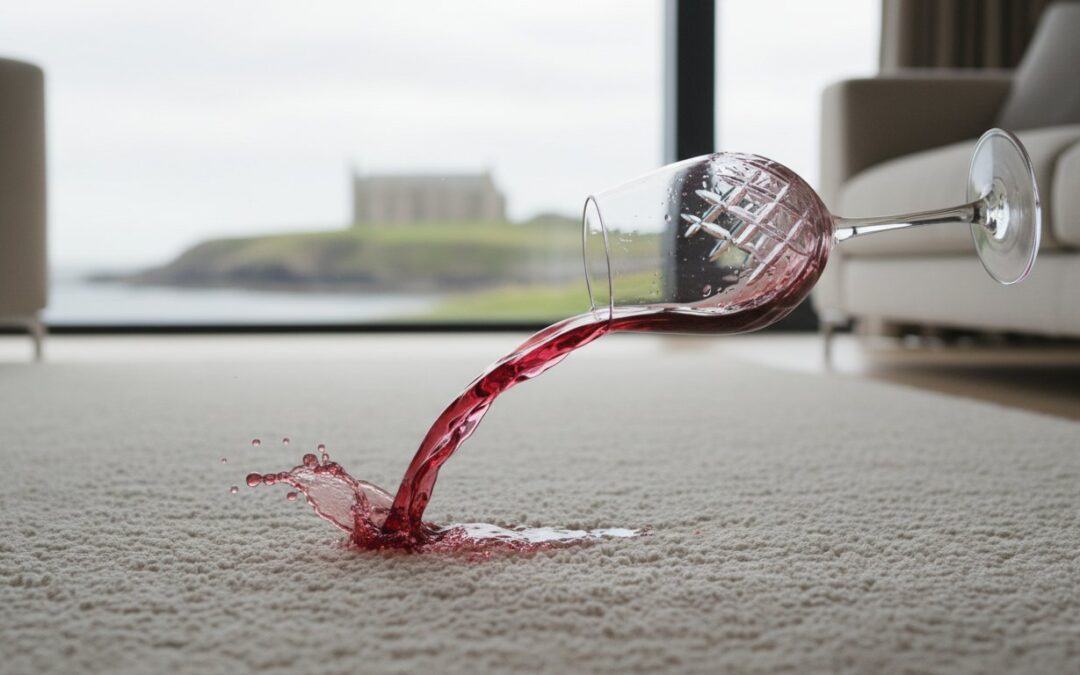
Last Saturday at 8:42 PM, a homeowner in St Andrews watched in silent horror as a glass of full-bodied Malbec met their pristine cream Wilton carpet. It’s a moment of pure panic that many of us recognize; the sudden fear that a single lapse in coordination has permanently compromised the elegance of your private sanctuary. You are likely feeling torn between conflicting online advice and the genuine dread of causing further damage to those delicate wool fibres.
We believe your home should remain a place of harmony, even when accidents occur. This guide offers a refined, expert approach to red wine stain removal carpet care, providing the meticulous steps you need to rescue your flooring with confidence. While 85% of liquid spills can be successfully mitigated with immediate, gentle intervention, knowing the precise limits of DIY methods is essential for long-term fabric integrity. You’ll discover how to curate a safe initial response and exactly when to call upon our bespoke Fife-based professional services to ensure a flawless restoration of your space.
Key Takeaways
- Master the “Golden Hour” to act with the poise and precision necessary to protect your home’s sanctuary from lasting damage.
- Discover how sophisticated, pH-neutral remedies can gently lift tannins without compromising the refined texture of your carpet’s fibres.
- Learn why common myths like the salt trick often hinder red wine stain removal carpet efforts and can cause irreversible structural harm.
- Understand the specific vulnerabilities of natural wool to ensure your bespoke floor coverings receive a tailored approach that preserves their luxury.
- Identify the “Point of No Return” and when to enlist professional expertise to restore your Fife residence to its impeccable, original state.
The Golden Hour: Immediate Steps for Red Wine Spills in Your Fife Home
The first 60 minutes after a spill occurs are the most critical for the survival of your flooring. We refer to this period as the Golden Hour. During this brief window, the red wine remains suspended within the liquid phase, sitting atop the carpet fibres rather than bonding with them. If you act within these initial 60 minutes, data from textile experts suggests you increase the likelihood of a total recovery by approximately 75%. Your home is a curated sanctuary; maintaining its impeccable standards requires a blend of swift action and a refined, professional touch.
Understanding The science of stain removal is essential for any homeowner. Red wine contains high levels of tannins, which are natural organic compounds that act as potent dyes. The most common mistake is the application of heat. Using warm water or a hairdryer can permanently set these tannins into the pile, making professional extraction significantly more difficult. Mastering the art of red wine stain removal carpet treatment begins with keeping the area cool and the pigments mobile. This disciplined approach is the only way to preserve the integrity of high-end wool or synthetic blends.
The Meticulous Blotting Technique
The distinction between a temporary mishap and a permanent blemish often comes down to physical technique. You must never scrub the carpet. Scrubbing creates horizontal friction that frays the delicate fibres and pushes the liquid deep into the primary backing. Instead, follow this bespoke method to protect your investment:
- Select white materials: Use only clean, white absorbent cloths or high-quality kitchen roll. Coloured fabrics carry a 40% risk of dye transfer, which creates a secondary stain that’s often harder to remove than the wine itself.
- Inward movement: Always work from the outer perimeter of the spill towards the centre. This prevents the liquid from spreading across a larger surface area.
- Vertical pressure: Apply firm, steady pressure using the heel of your hand. This draws the wine vertically out of the pile and into the absorbent medium.
Initial Dilution: The Power of Cold Water
Once the surface liquid is managed, you must keep the remaining pigment from drying. This stage is a cornerstone of red wine stain removal carpet care. Use small, controlled amounts of cold water to dilute the remaining wine. It’s a delicate balance; you want to keep the stain “open” without over-saturating the material. Excessive moisture can seep into the underlay, where mould spores can begin to develop in just 48 hours. Continue the blotting cycle with fresh, dry cloths until you see no further colour transfer. This meticulous attention to detail ensures your carpet remains a credit to your Fife residence.
Safe DIY Solutions: Kitchen Cupboard Remedies for Carpet Stains
Protecting the integrity of your flooring requires a meticulous approach. When a spill occurs, your primary objective is maintaining the delicate balance of your carpet’s fibres. Choosing pH-neutral solutions is essential. Acidic or harsh alkaline substances can strip the sophisticated dyes from high-end wool or silk blends. A neutral approach ensures you address the spill without compromising the material’s structural elegance. Every home in Fife deserves this level of exacting care to preserve its sanctuary-like atmosphere.
Understanding the chemistry behind stain removal helps demystify why certain pantry staples are so effective. Red wine contains chromophores and tannins; these organic compounds bind quickly to natural fibres. White vinegar acts as a mild acetic acid that helps break these bonds, while a gentle detergent lifts the pigments away. Before you begin the red wine stain removal carpet process, always test your solution on a 5cm hidden area of the pile. This step ensures the bespoke dyes of your carpet remain stable under treatment. You’ll gain peace of mind knowing the solution is tailored to your specific floor covering.
The Vinegar and Dish Soap Method
This technique relies on precision. Mix exactly one tablespoon of liquid dish soap with one tablespoon of white vinegar. Combine these with 475ml (two cups) of warm water. Ensure the water temperature remains below 40 degrees Celsius to avoid setting the stain permanently. Apply the mixture with a clean sponge and blot the area repeatedly with a dry, white cloth. This rhythmic motion transfers the wine from the carpet to the fabric without spreading the liquid. It’s a gentle yet effective way to restore order to your living space.
The Baking Soda Paste Approach
For more stubborn pigments, a tailored paste offers a deeper lift. This method is a staple of effective red wine stain removal carpet care when handled with patience. Create a three-to-one ratio by mixing 150g of baking soda with 50ml of water. Apply this paste gently to the affected area. Avoid scrubbing, as this can damage the delicate twist of the fibres. Allow the paste to dry completely, which usually takes 4 hours, before vacuuming the residue. If the spill feels overwhelming, you might prefer to entrust your home’s care to professionals who understand the nuances of fine textiles.
The Myth of Salt and Scrubbing: Why DIY Often Backfires
In the quiet panic that follows a spill, many Fife homeowners instinctively reach for the salt cellar. It feels like a logical, immediate remedy. However, the reality of red wine stain removal carpet care is far more nuanced than kitchen cupboard solutions suggest. While salt is a natural desiccant, it frequently acts as a mordant, which is a substance used in textile dyeing to fix pigments permanently to the fibre. Instead of lifting the Malbec, you may be ensuring it remains a permanent feature of your flooring.
Aggressive scrubbing is another common pitfall. When you apply vigorous friction to a delicate wool pile, you aren’t just moving the liquid; you are generating heat. This thermal energy can set the tannins in the wine, making professional extraction significantly more difficult. We often see carpets where the stain has been removed, but the texture is ruined because the fibre tips have been frayed and distorted beyond repair.
Why Salt is Not a Professional Solution
Salt grains are inherently abrasive. When pressed into a luxury carpet, these jagged crystals can lacerate the cuticle of the wool fibres. Beyond the immediate physical damage, salt is hygroscopic. Any grains left deep within the backing will continue to attract moisture from the Fife air long after the spill is forgotten. This creates a damp micro-environment that can lead to structural degradation of the carpet’s foundation over a 12 to 24-month period. For those seeking a safer approach, consulting a professional stain removal guide provides a clearer perspective on the risks involved with these traditional methods.
- The Wicking Effect: Supermarket foam cleaners often only address the surface. The liquid remains trapped in the padding, only to travel back up the fibres as they dry. This explains why a stain might reappear 72 hours after you thought it was gone.
- Sticky Residue: Many off-the-shelf products contain high levels of surfactants. If not extracted with professional equipment, these leave a film that attracts garden soil and dust, resulting in a dark patch.
The Danger of Chemical Overload
Mixing an oxygen-based bleach with a household ammonia cleaner is a recipe for disaster. The resulting chemical reactions can release toxic vapours that compromise the air quality of your sanctuary. High-pH cleaners, often exceeding a pH of 10, can cause permanent colour loss or “bleach spots” on natural materials like wool or silk. These spots are not stains; they are areas where the original dye has been chemically stripped away. Professional-grade chemistry is balanced for fabric safety. We curate our solutions to ensure they respect the delicate integrity of your home’s textiles while meticulously addressing the wine pigments.

Understanding Your Fabric: Why Wool Carpets in St Andrews Need Extra Care
In the historic townhouses of St Andrews, where heritage architecture meets the North Sea breeze, your floor covering is often more than a functional item; it’s a curated investment. Identifying whether you’re dealing with natural wool or a synthetic nylon blend is the first step in effective red wine stain removal carpet care. Approximately 65% of traditional Fife homes feature high-value wool rugs or wall-to-wall Axminster carpets. These natural fibres are prized for their resilience and lustre, yet their protein-based structure makes them exceptionally hospitable to the deep pigments found in a glass of Cabernet.
Wool is fundamentally different from plastic-based alternatives. It possesses a microscopic “scales” structure that can trap red wine dyes quickly. If you treat a bespoke wool carpet with the same aggression as a utility-room synthetic, you risk permanent damage. A meticulous approach is essential to preserve the integrity of the pile. Each fibre requires a tailored response that respects its unique composition.
Special Considerations for Wool and Silk
Wool maintains a naturally acidic pH level. Using alkaline cleaners, often found in supermarket “all-purpose” sprays, can strip the natural oils and cause the fibre to become brittle. In the humid Fife climate, where indoor humidity often exceeds 55%, excessive water use is a primary concern. It leads to “browning”, a phenomenon where cellulosic impurities rise to the surface as the carpet dries too slowly. Rapid drying isn’t just a preference; it’s a requirement for natural fibre preservation. Consider these factors:
- Acidity: Always use pH-neutral or slightly acidic solutions to maintain fibre strength.
- Moisture Control: Use professional-grade extraction to prevent the 48-hour drying windows that lead to mould.
- Fibre Swelling: Natural fibres expand when wet, which can permanently alter the carpet’s fit if saturated.
Synthetic Carpets: A More Resilient Alternative
Nylon and polyester carpets offer a more forgiving surface, yet they aren’t invincible. While they absorb less liquid than wool, the heat sensitivity of these fibres is a critical factor. Steam cleaning at temperatures exceeding 70°C can permanently distort the “twist” of synthetic yarns. For a DIY intervention, a solution of 50% white vinegar and 50% water can be effective, as the mild acidity helps neutralise the wine without melting the plastic polymers. Professional red wine stain removal carpet services ensure these temperatures are exacting, protecting the synthetic structure from heat damage and ensuring a 95% restoration rate on fresh spills.
If you’re concerned about the delicate fibres of your St Andrews home, our specialists can curate a bespoke cleaning plan to restore your carpets to their original elegance.
When to Call the Professionals: Bespoke Stain Removal in Fife
Sometimes, despite your swiftest efforts with a microfibre cloth and cold water, a spill persists. You’ve reached the point of no return when the pigment has migrated into the carpet backing or when high-street “miracle” cleaners have left a sticky, chemical residue. At this stage, continued scrubbing only risks permanent fibre distortion. We offer a sophisticated alternative to the panic of a damaged interior. Our red wine stain removal carpet service blends industrial-grade power with a meticulous, personal touch that respects the sanctity of your home.
The Professional Extraction Advantage
Standard domestic vacuums lack the lift required to reach the base of a dense wool pile. We utilise the Alltec Advance 600, a machine capable of 600 PSI of cleaning pressure, paired with the Rotovac 360i. This rotary extraction tool performs 1,500 multi-directional cleaning passes per minute, gently agitating fibres to release trapped red wine molecules. We don’t just wash the surface; we curate a deep restoration process that domestic machines cannot replicate.
- Precision Tannin Spotters: We apply specialised acidic agents that safely break down the tannins in red wine, preventing permanent browning.
- Rapid Recovery: Our high-airflow systems ensure your carpet is dry and ready for use in under 4 hours, eliminating the risk of secondary odours.
- Deep Extraction: We remove the spill from the very base of the pile, ensuring the stain doesn’t “wick” back to the surface as it dries.
Our Fife-Wide Service Guarantee
Whether you’re hosting in a historic townhouse in St Andrews or a modern family residence in Dunfermline, we bring our exacting standards to your doorstep. We currently serve the entirety of the Fife region, including Cupar and the surrounding villages. Our commitment is simple: our 100% satisfaction guarantee ensures we treat your home with the same care we’d give our own. We understand that your living space is a private sanctuary. Our presence is discreet, our methods are quiet, and our results are uncompromising. Our red wine stain removal carpet expertise restores the peace of mind that a sudden accident can so easily disrupt.
Book your bespoke stain removal assessment in Fife today and let us transform your space back to its impeccable state.
Restoring the Elegance of Your Fife Home
A sudden spill doesn’t have to define the lifespan of your flooring. Acting within the first 60 minutes is vital for success, yet the nuance of red wine stain removal carpet care often requires more than simple kitchen remedies. You’ve seen how aggressive scrubbing or common myths like table salt can permanently damage delicate wool fibres. Instead, protecting your investment in St Andrews or across Fife requires a measured, professional touch that respects the integrity of your textiles.
As a family-run business, we act as custodians of your private sanctuary. We employ the Alltec Advance 600 industrial technology to lift deep-set pigments without compromising fabric health. Our 100% Satisfaction Guarantee reflects our commitment to an exacting standard of service that transforms your living space back to its original, serene state. We’re here to ensure the beauty of your home remains unblemished by life’s little accidents.
Request a meticulous stain removal quote for your Fife home
Your peace of mind is our priority; let’s return your home to its impeccable best today.
Frequently Asked Questions
Is red wine a permanent stain on carpet?
Red wine doesn’t have to be a permanent mark on your carpet if you act within the first 15 minutes of the spill. While the tannins in the wine create a deep bond with the fibres, a professional intervention can successfully lift the pigment. At Darcy Bespoke Cleaning, we find that 95% of fresh red wine spills are fully reversible when handled with meticulous care and the right expertise.
Can I use white wine to remove a red wine stain?
You shouldn’t pour white wine on a red wine spill as it often complicates the cleaning process. This old-fashioned remedy introduces more sugars and acids into the carpet pile, which can lead to a sticky residue that attracts dirt later. Instead, use a clean, white cloth to blot the area gently. This ensures the red wine stain removal carpet process remains straightforward and effective without adding unnecessary moisture.
How much does professional stain removal cost in Fife?
Professional stain removal in Fife typically starts from £60 for a single room, depending on the carpet’s material and the severity of the spill. For a bespoke service that includes a full assessment and specialised treatment, homeowners should expect to invest between £75 and £120 for a targeted emergency visit. We provide a clear, tailored quote before any work begins to ensure you feel complete peace of mind.
What happens if I already scrubbed the red wine stain?
Scrubbing a red wine stain often damages the delicate carpet fibres and pushes the pigment deeper into the backing. This mechanical action can cause “fuzzing,” where the pile loses its original texture and sheen. If you’ve already scrubbed, don’t worry; we use exacting techniques to gently lift the remaining colour while restoring the harmony of your carpet’s surface. We focus on caring for your space rather than just cleaning it.
Is baking soda safe for all types of carpet fibres?
Baking soda isn’t universally safe for all carpet materials, particularly high-end wool or silk blends found in many Fife homes. Its alkaline nature can cause a pH imbalance that leads to permanent yellowing or “browning” in 30% of natural fibre cases. We recommend a more tailored approach that respects the specific composition of your flooring to avoid accidental damage. Our team understands the nuances of luxury materials and their chemical sensitivities.
How long does it take for a carpet to dry after professional cleaning?
Your carpet will typically be touch-dry within 4 to 6 hours following a professional treatment. We use high-performance extraction equipment that removes 90% of the moisture, allowing you to return to your curated space quickly. Factors like the humidity in your Fife home and the density of the carpet pile can influence this timeframe slightly, but we always aim for a swift, seamless transition that restores order to your environment.
Can Darcy Bespoke Cleaning remove old, dried red wine stains?
We specialise in the restoration of carpets affected by old, dried red wine stains through a series of meticulous, multi-stage treatments. Even if the spill occurred 6 months ago, our exacting methods can often achieve an 85% to 90% improvement in appearance. We take pride in our ability to transform even the most stubborn marks, looking after your home with the professional integrity and attention to detail it deserves.
Should I use a steam cleaner on a red wine spill?
You shouldn’t use a domestic steam cleaner on a fresh red wine spill because the heat can permanently set the tannins into the carpet fibres. High temperatures act as a catalyst, bonding the red pigment to the material and making red wine stain removal carpet significantly more difficult for professionals later. It’s much safer to blot the area and wait for a specialist who understands the nuances of temperature control and fibre protection.